
Services We Offer
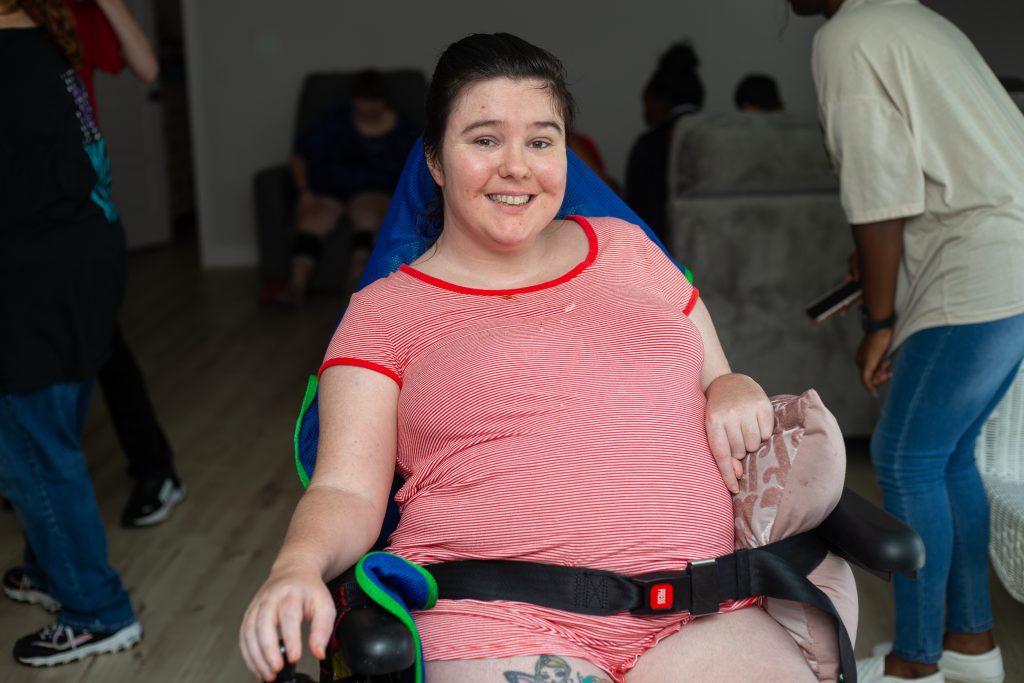
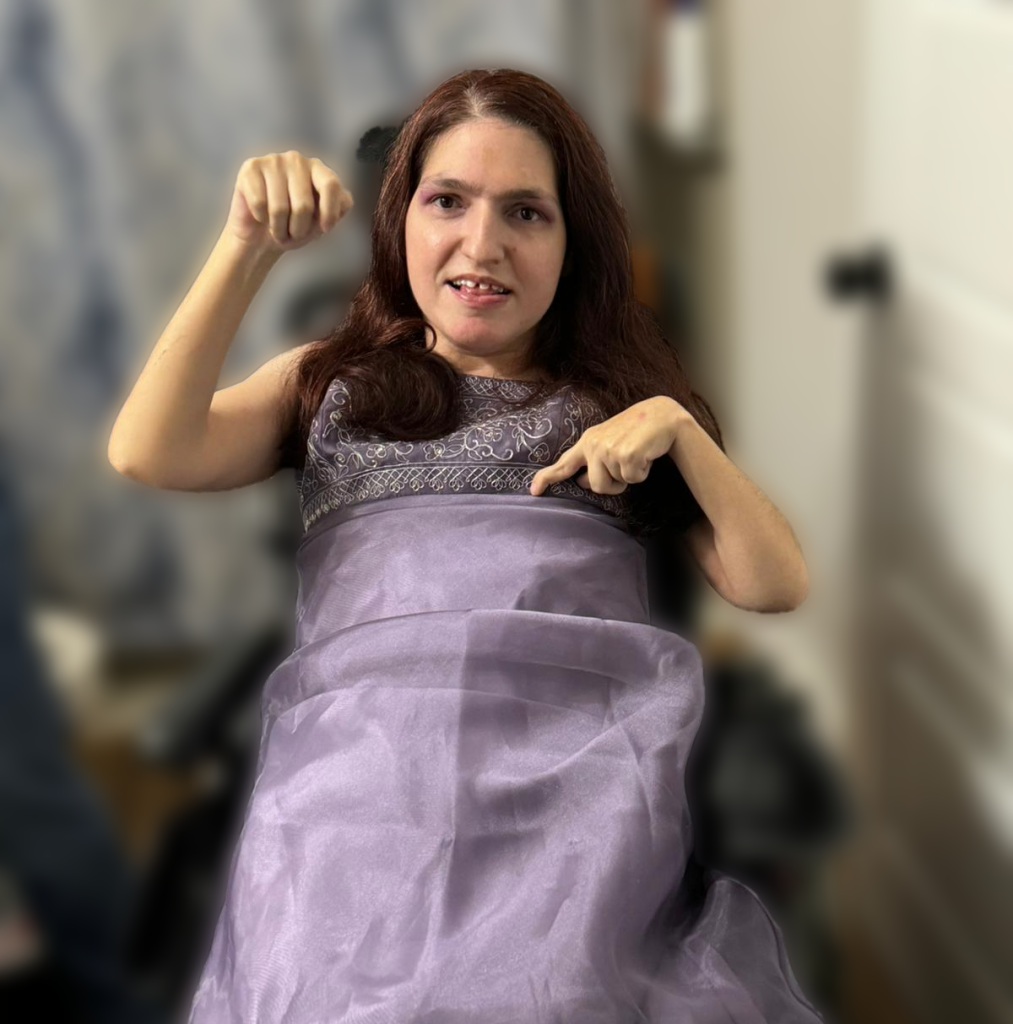
LifePath’s staff will treat you with respect and dignity and recognize your abilities and gifts. Our staff will support you to have full access to the greater community including competitive employment opportunities in integrated settings, control your personal resources, and receive services in the community to the same degree of access as individuals not receiving Home and Community Based Services.
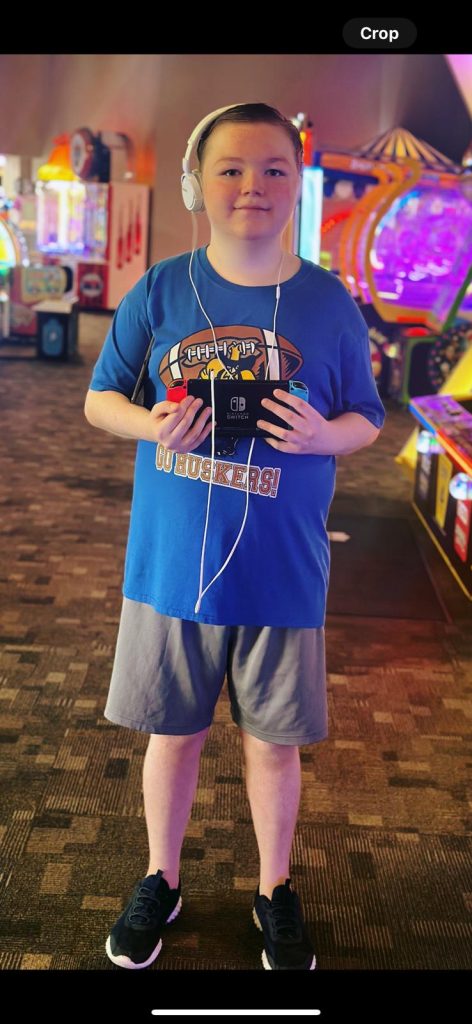
You will have a say in your life’s decisions – be it the food you eat and the clothes you wear -, pursue your own interests, express your individuality and desires, actively participate in community activities of your choice and direct your own services with the help of our highly skilled and compassionate staff. You can do things you like at your home, such as play video games, watch TV or listen to the radio. You may also do your laundry and other household activities
as you wish.
LifePath’s staff will also encourage you to actively participate in civic activities and community organizations to become as involved as you choose in the fabric of the community.
Please see our Individual Supported Handbook for more information about our ISL and Community Support Services programs.
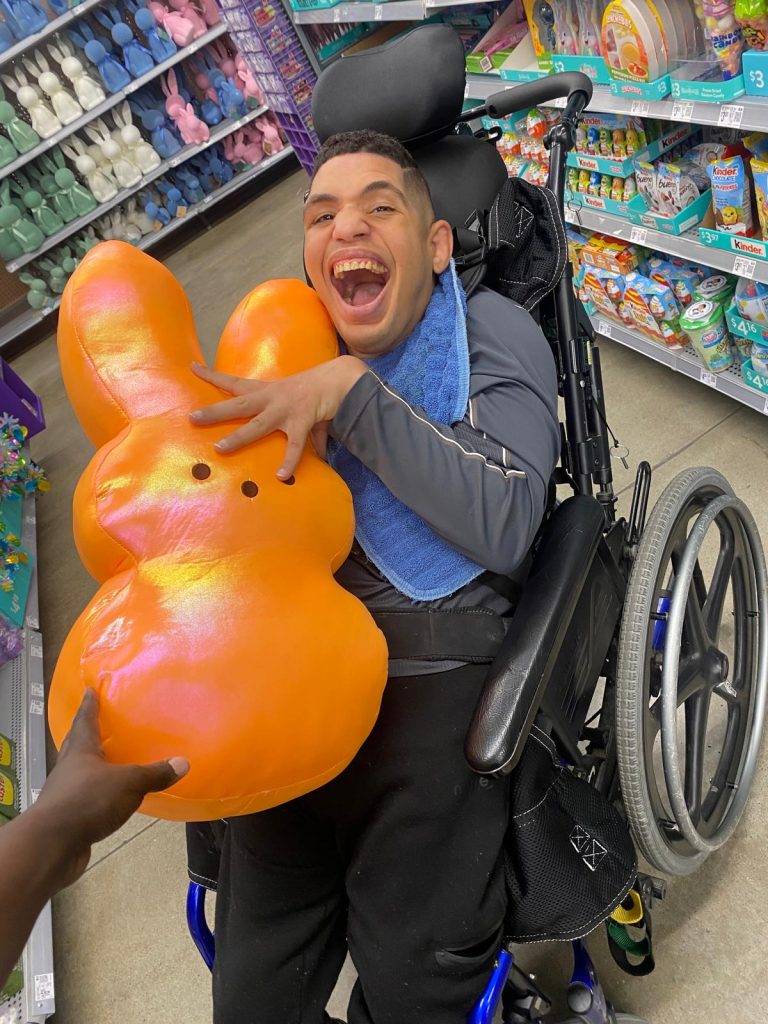
In this program, you will participate in a variety of formal and informal community activities of your choice, interests, preference, gifts and strengths that may include, but are not limited to leisure or recreations activities, social events/clubs, organized worship or spiritual activities, cultural activities, pre- vocational activities, volunteerism in various community sites, health and wellness activities, among others.
The desired outcomes for our CN program will be identified by your ISP team through a person- centered planning process and may include increased community participation, increased independence, increased interdependence, greater quality of life and skill development, among others.
Please see our Individual Supported Handbook for more information about our ISL and Community Support Services programs.
Respite services can be provided in the individual’s
home or in the community and can include recreational and/or educational activities. For individuals who are unable to care for themselves on a short-term basis because of the absence or need for relief of parents and/or guardian. If the service includes overnight care, it MUST be provided in the individual’s place of residence.
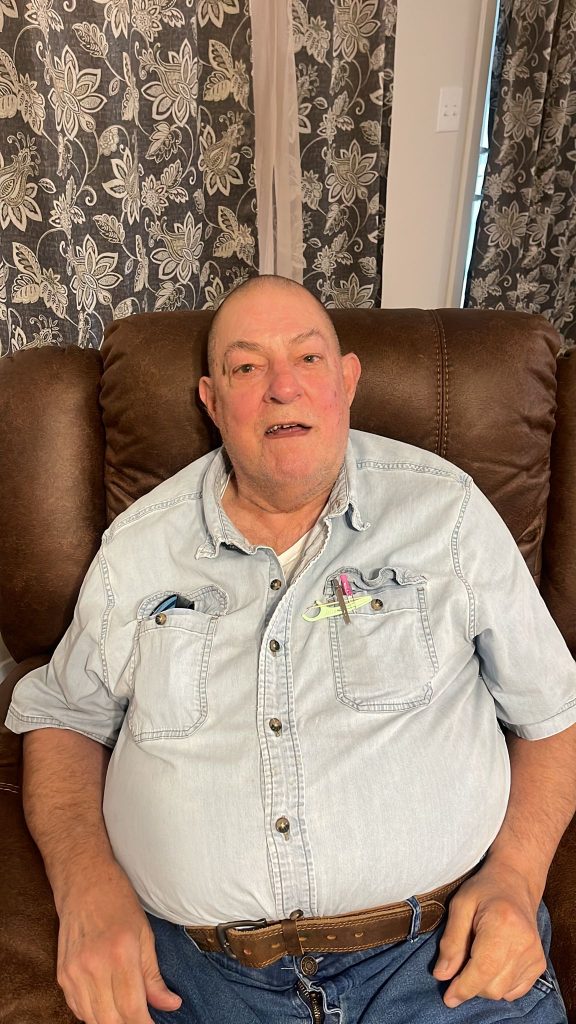
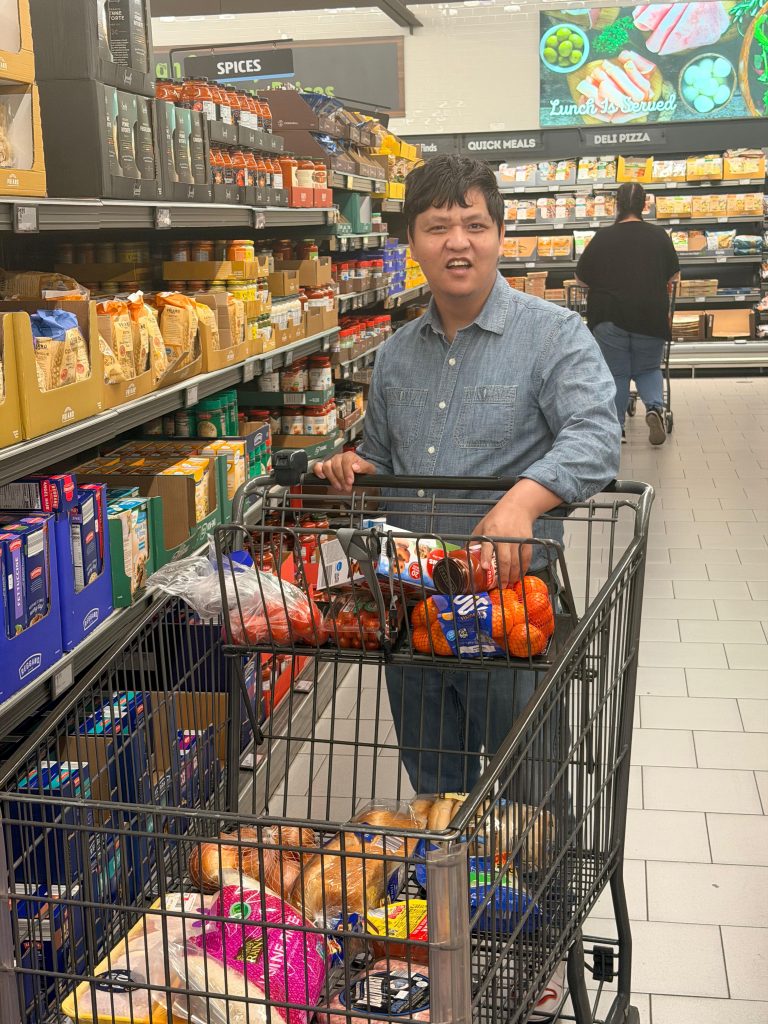
Service can be provided in the home or community allowing the goal to determine the appropriate environment. Gives assistance to individuals in acquiring life skills necessary for independent living and achieving maximum independence in their home and community
Goal for this service is for the individual to manage his or her household and access services in the community more independently.
The SB does not do these tasks for the individual/DR but provides information and assistance in order for the employer
to fulfill their employer related responsibilities. The goal for everyone in SDS is to move towards ‘no assistance needed’.
Shared Living/ Host Home
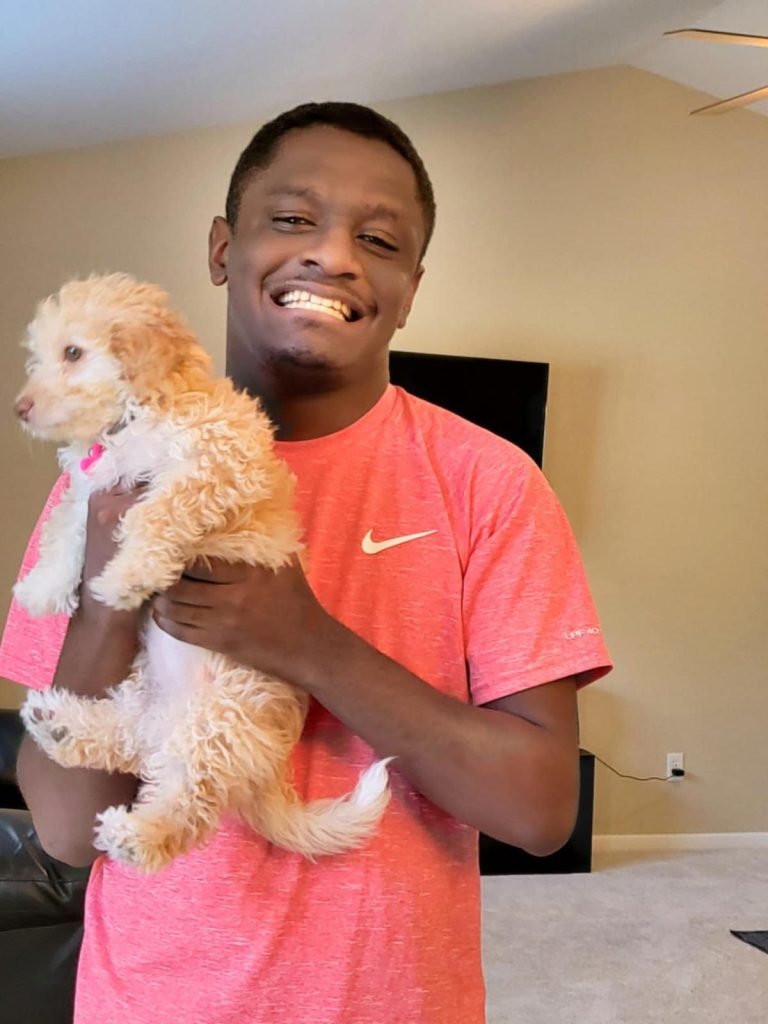
Shared Living is an arrangement in which an individual chooses to live with a couple, another individual, or a family in the community to share their life experiences together. Shared Living can be provided in the home of the caregiver (Host Home Services).
A Host Home is a private home, certified by the Division of DD, where a family accepts responsibility for caring for up to three (3) individuals with DD. Shared Living offers a safe and nurturing home by giving guidance, support and personal attention. The provider plays an active role in the individual’s team and the collaborative development of a Person Centered Support Plan (PCSP). The PCSP is based on the team’s knowledge of the individual’s personal challenges, strengths, skills, preferences, and desired outcomes. The PCSP provides guidelines and specific strategies that address the individual’s needs in the social, behavioral, and skill areas and is designed to lead to positive lifestyle changes. Living in a home environment presents daily opportunities to acquire and use new skills. The host family helps the individual participate in family and community activities and facilitates a relationship with the person and their natural family and the general community. They help the individual learn and use community resources and services as well as participate in activities that are valued and appropriate for the individual’s age, gender, and culture. The provider ensures that the individual’s identified health, and medical needs are met and comply with licensure or certification regulations of the Division of DD. A single-family host home may be certified by and directly contracted with DMH, or the host family may be directly employed by or under contract with an agency certified by and under contract with DMH to provide host home services.

Other Services Offered by LifePath
- Access to Registered Nurses for ISL and Medical PA services.
- 24-hour support from Direct Support Professionals for ISL services (depending on the desired staffing pattern).
- Transportation provided for activities, appointments, and work in LifePath’s vehicles.
- Assistance with accessing Oats Bus and Para- transit/Public Transportation.
- Training and modeling for self-care, communication skills, and social skills development.
- Support for self-advocacy.
- Regular community outings and activities.
- Encouragement and modeling for making life choices and taking responsibility.
- Assistance with nutrition, wellness, and fitness programs.
- Help with planning and cooking nutritious meals, doing laundry, and money management.
- Support for exploring individuality, relationships, and sexuality.
- Assistance with accessing community resources.
- Other assistance as desired by you and/or your guardian.